Why So Many Californians Move to Oregon: A Homebuyer's Guide To Finding Home in a New State

As a Portland realtor who's helped California transplants find their Oregon dream homes, I've heard all the jokes about Californians moving to Oregon. But beyond the gentle ribbing lies a genuine trend that's reshaping our communities and housing market. Let's explore why so many Golden State residents are heading north, and how you can make this transition smoothly.
The California Exodus: Understanding the "Why"
Before diving into the "how" of moving to Oregon, it's worth understanding the primary motivations I hear from my California clients:
Financial relief: The median home price in California has reached staggering heights (over $800,000 statewide, with Bay Area prices often exceeding $1.5 million). By comparison, Portland's median home price of approximately $550,000 offers substantially more house for your dollar.
Quality of life: Many Californians cite increasing congestion, longer commutes, and work-life imbalance as reasons for seeking change. Oregon's more relaxed pace and emphasis on outdoor lifestyle provides a welcome alternative.
Remote work flexibility: The post-pandemic shift to remote work has untethered many professionals from high-cost locations, allowing them to maintain California salaries while enjoying Oregon's lower cost of living.
Environmental factors: With California facing intensifying wildfire seasons, water shortages, and extreme heat events, Oregon's comparatively milder climate (yes, even with our rain) appeals to many climate-conscious movers.
While these motivations make perfect sense, moving between states involves complexities beyond simply finding a new house. Let's look at what you need to know to make a successful transition.



Financial Considerations: The Oregon Difference
Oregon's tax structure differs significantly from California's, creating both opportunities and considerations:
No sales tax: Oregon's absence of sales tax means immediate savings on daily purchases, major appliances, and even vehicles. For many California transplants, this feels like getting an instant discount on everything you buy.
Income tax reality check: Before you celebrate too much, understand that Oregon's income tax rates (ranging from 4.75% to 9.9%) are among the nation's highest. Depending on your income level, this may partially offset your sales tax savings.
Property tax nuances: While Oregon's property tax rates aren't dramatically different from California's, our system lacks California's Proposition 13 protections. In Oregon, property taxes can increase slightly annually, regardless of how long you own your home. However, they do not reassess on sale like in California.
Capital gains considerations: If you're selling a highly appreciated California property, work with both a financial advisor and tax professional to understand potential capital gains implications and or 1031 exchange opportunities if it’s a rental.
For most of my California clients, the overall tax burden in Oregon ends up being lower, but the composition of that burden is different. I always recommend consulting with a tax professional familiar with both states before making your move.

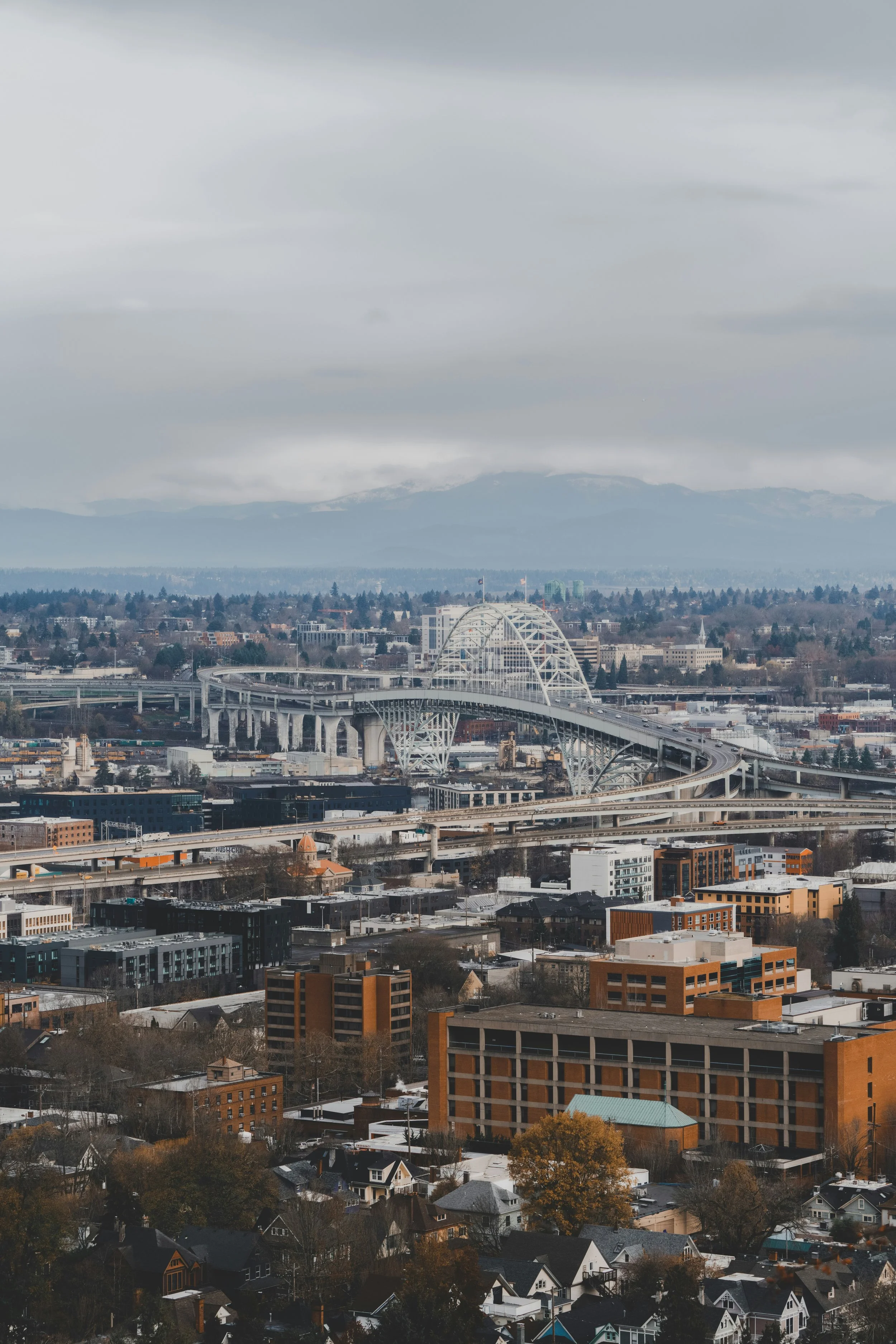

Finding Your Oregon Habitat: Beyond Portland Proper
While Portland captures much of the attention, many California transplants find their perfect match in surrounding communities:
Vancouver, Washington: Just across the Columbia River, Vancouver offers Washington's income tax advantages (income tax is non-existent!) while maintaining easy access to Portland. The catch? You'll pay Washington sales tax, and the daily commute across the bridges can be challenging.
Beaverton, Hillsboro, and the Western Suburbs: Home to major employers like Nike and Intel, these communities offer tons of amenities, more modern housing stock, and multicultural environments that may feel familiar to Californians from diverse communities.
Oregon City, Milwaukie, and the Southern Corridor: These areas provide more affordable housing options with good access to outdoor recreation and growing downtown districts. They're perfect for those seeking small-town feel with city amenities nearby.
Lake Oswego and West Linn: For California transplants seeking upscale communities with top-rated schools, these areas offer a luxury experience (though at price points that approach California levels).
Gresham, Troutdale and further East: these areas offer more affordable options - you’ll get more house for your dollar and you’ll see many midcentury options or comparatively newer than 1920s Portland homes, and they’re that much closer to the Columbia Gorge.
The key is looking beyond the neighborhoods you've heard about from friends or seen on "Portlandia." Each community has its own distinct character, and finding the right match depends on your lifestyle priorities.

Financing Your Oregon Dream: Mortgage and Investment Strategies
Leveraging your California equity effectively can set you up for financial success in Oregon:
Down payment power play: Many Californians sell homes with substantial equity, creating opportunity for larger down payments in Oregon. Consider whether eliminating PMI, securing better rates, or maintaining investment liquidity best serves your financial goals.
Investment potential: If you're coming with significant proceeds from a California home sale, consider whether purchasing a larger primary residence or acquiring both a primary home and investment property makes sense for your situation.
Local lending insights: Work with a mortgage professional familiar with Oregon's market. They can help you understand local nuances with your investment. I would be happy to send you some of my faves!
Regional price variations: Unlike the relatively consistent high prices across California's coastal regions, Oregon has dramatic price variations even within short distances. This creates opportunities for strategic purchases that balance lifestyle needs with investment potential.
Many of my California clients are surprised by how much further their housing dollars stretch here, opening possibilities they hadn't considered available to them.

Cultural Integration: Becoming an Oregonian (Without the Backlash)
Let's address the elephant in the room: the sometimes chilly reception Californians receive. Having helped transplants successfully integrate into Oregon communities, I've observed some approaches that make a difference:
Embrace the local pace: Oregonians generally operate at a less hurried tempo than Californians, particularly those from LA or the Bay Area. Embracing this approach to daily life helps you integrate more smoothly.
Adopt Oregon driving etiquette: Yes, we actually stop for pedestrians, use turn signals religiously, and generally drive less aggressively. And maybe consider getting Oregon plates sooner rather than later.
Learn local history and issues: Take time to understand Oregon's complex history, including exclusionary laws impacting communities of color, indigenous displacement, and ongoing efforts toward equity. This context helps you engage more meaningfully in community conversations.
Participate without dominating: Join community organizations and events, but approach with humility and willingness to learn local ways rather than immediately suggesting how things "should" be done.
The "California transplant" label fades quickly when you demonstrate genuine appreciation for what makes Oregon special and contribute positively to your new community. Portland has continued to see an influx of folks from California and across the nation, so you’re sure to find your people who are also new to the area and looking for their people!

Weather Reality Check: Embracing the Gray
No guide for Californians moving to Oregon would be complete without addressing our famous rain. Rather than repeating statistics about annual rainfall, here's the real talk about Oregon weather:
It's not the quantity, it's the duration: Oregon doesn't actually receive more total precipitation than many other states, but our rain comes as a gentle, consistent presence from November through May. The persistent gray can impact mental health more than occasional heavy downpours. Usually when I’m feeling down and I can’t figure out why, I realize it’s January or February.
Seasonal affective strategies: Invest in good outdoor gear (locals say "there's no bad weather, just bad clothing"), consider vitamin D supplements, and perhaps a light therapy lamp for the darkest months.
The payoff is spectacular: Oregon's lush landscapes, vibrant spring blooms, and perfect summers exist because of our rainy season. The collective joy when the sun emerges in May and June is a cultural experience unto itself. And then get ready to keep up with the pace of summer!
Housing considerations: When house hunting, pay special attention to natural light, covered outdoor spaces that can be enjoyed year-round, and proper drainage/waterproofing. These features become much more important here than in California.
I always encourage my California clients to visit during January or February before committing to the move. If you can embrace Oregon during its grayest season, you'll truly appreciate the glory of our summers.

Making Your Move: Practical Next Steps
Ready to join the migration north? Here's how to approach your transition strategically:
Reconnaissance visits: Plan multiple visits across different seasons, staying in various neighborhoods rather than hotels in tourist areas. This gives you a more authentic feel for daily life. I always recommend a midterm or month-to-month rental first so you can get a real feel for the city and where you’d like to put down roots longer term!
Connect with a realtor early: Even if you're 6-12 months from moving, establishing a relationship with a realtor familiar with California transplants helps you prepare adequately and monitor the market before making the jump.
Develop a financial roadmap: Work with financial professionals to create a comprehensive plan addressing home sale proceeds, potential capital gains, retirement accounts, and investment opportunities in your new state.
Research schools and commutes: These factors dramatically impact quality of life and should be primary considerations in your location decision, even if you're currently working remotely.
As someone who's guided individuals, couples and families through this interstate transition, I've found that thorough preparation and realistic expectations make all the difference between a stressful move and an exciting new chapter.

Welcome to Oregon (We're Glad You're Here)
Despite the occasional joke suggesting otherwise, most Oregonians genuinely welcome new neighbors who approach their arrival with respect and enthusiasm for what makes this state special. The California perspective brings valuable diversity of thought, experience, and energy to our communities.
If you're considering making Oregon your new home, I'd be honored to help you navigate both the practical aspects of home buying and the subtler elements of finding your place in our community. The journey from California to Oregon involves more than just moving your belongings – it's about transplanting your life in ways that allow both you and your new community to thrive together.
