Portland’s Five Quadrants? An Oregon Realtor breaks it down for you
When newcomers hear that Portland has five quadrants, they're often confused – how can a city have five quadrants when "quad" literally means four? It's one of Portland's quirky charms, and as a realtor who's helped countless clients find their perfect neighborhood, I'm excited to break down these distinct areas and help you understand what makes each one special.
The Five Quadrants: Portland's Unique Geography
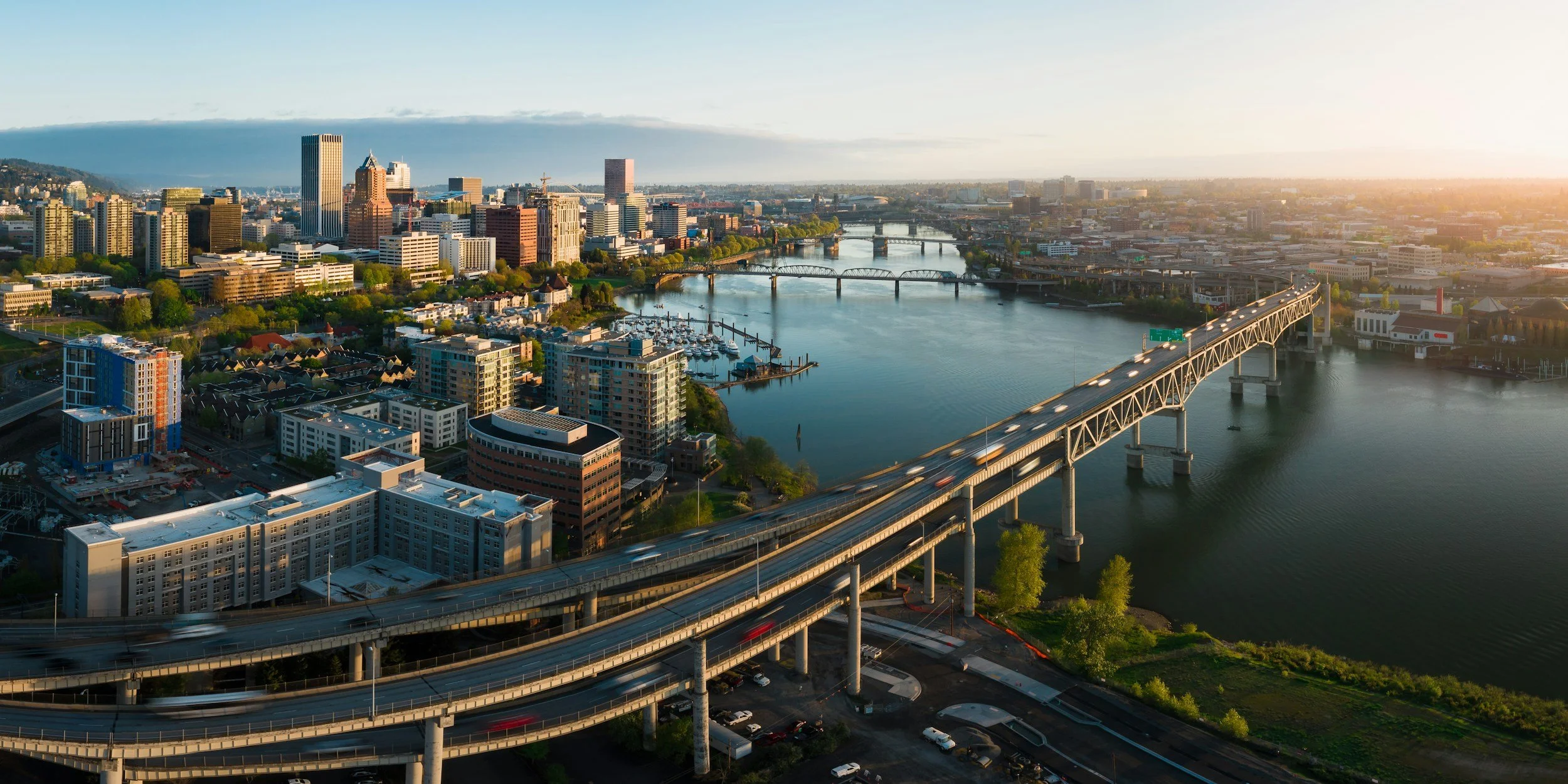
Portland is divided by the Willamette River (running north-south) and Burnside Street (running east-west), creating four natural quadrants. The fifth "quadrant" emerged as the city grew, giving us:
Northwest (NW): Urban living with historic charm
Northeast (NE): Neighborhoods with strong community histories
Southeast (SE): Eclectic, artistic, and often the essence of "Portland weird"
Southwest (SW/S): Downtown, established neighborhoods and modern riverfront sprawling to a more suburban feel
North Portland (N): Our fifth "quadrant" - peninsula living with a distinctive vibe
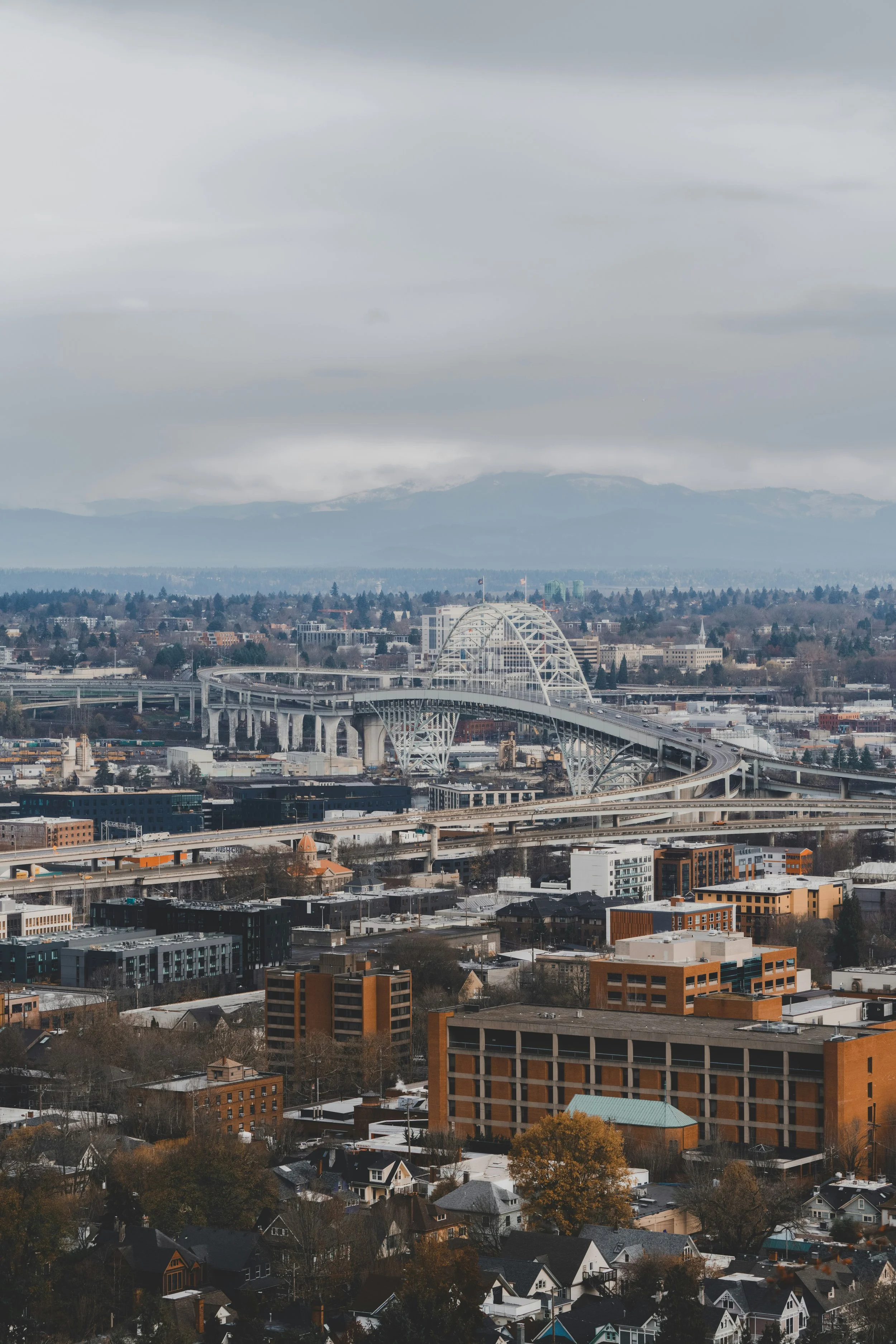
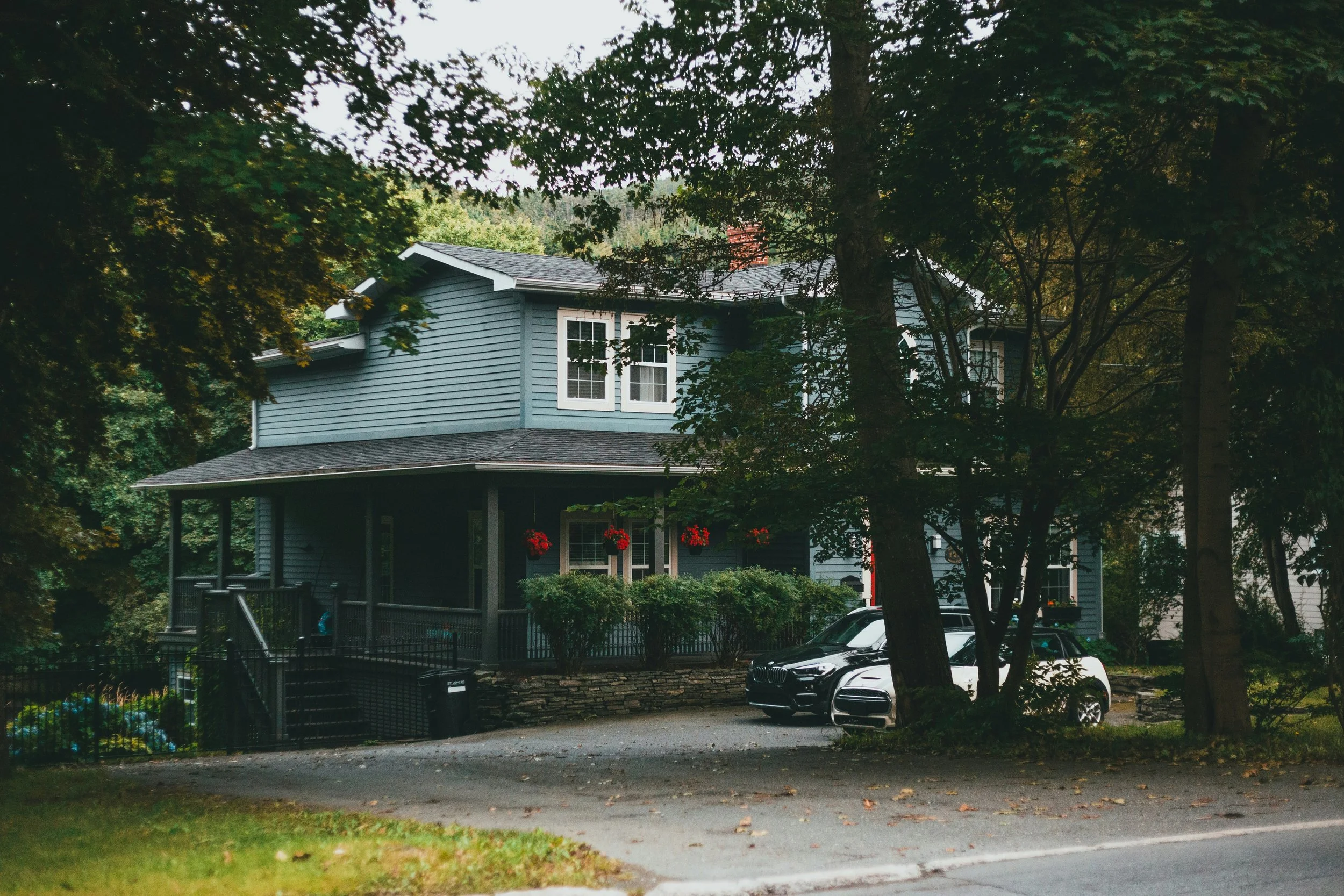
Northwest Portland (NW): Historic Elegance Meets the Urbanite
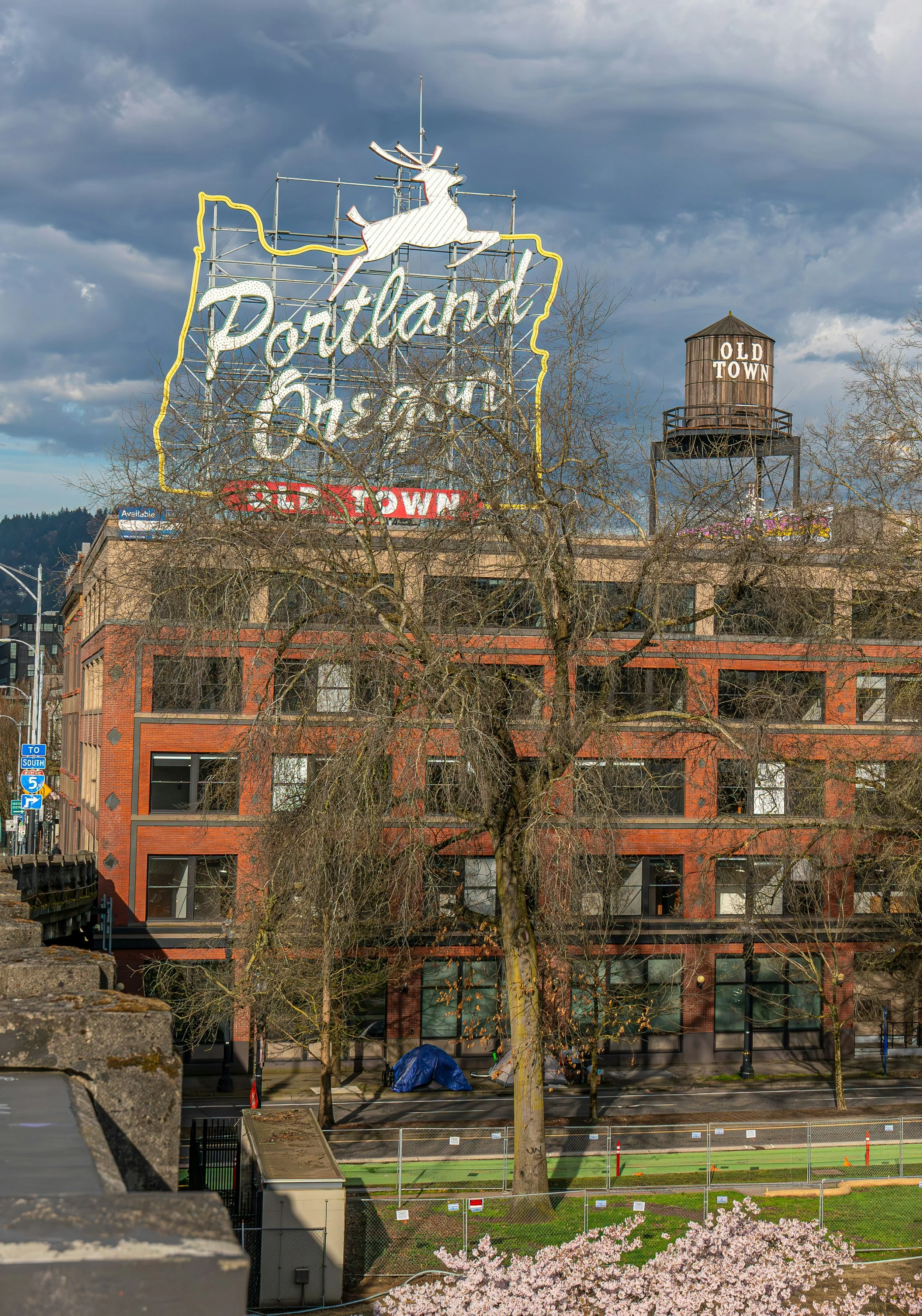
Northwest Portland is a study in contrasts – from the upscale elegance of the Alphabet District to the industrial-turned-trendy Pearl District.
History: Originally developed in the late 19th century, NW Portland features some of the city's oldest and most architecturally significant homes. The Alphabet District (where streets run alphabetically from Ankeny to Wilson) showcases beautiful Victorian and Craftsman homes. The Pearl District transformed from warehouses and rail yards to one of Portland's most desirable areas through thoughtful redevelopment beginning in the 1990s.
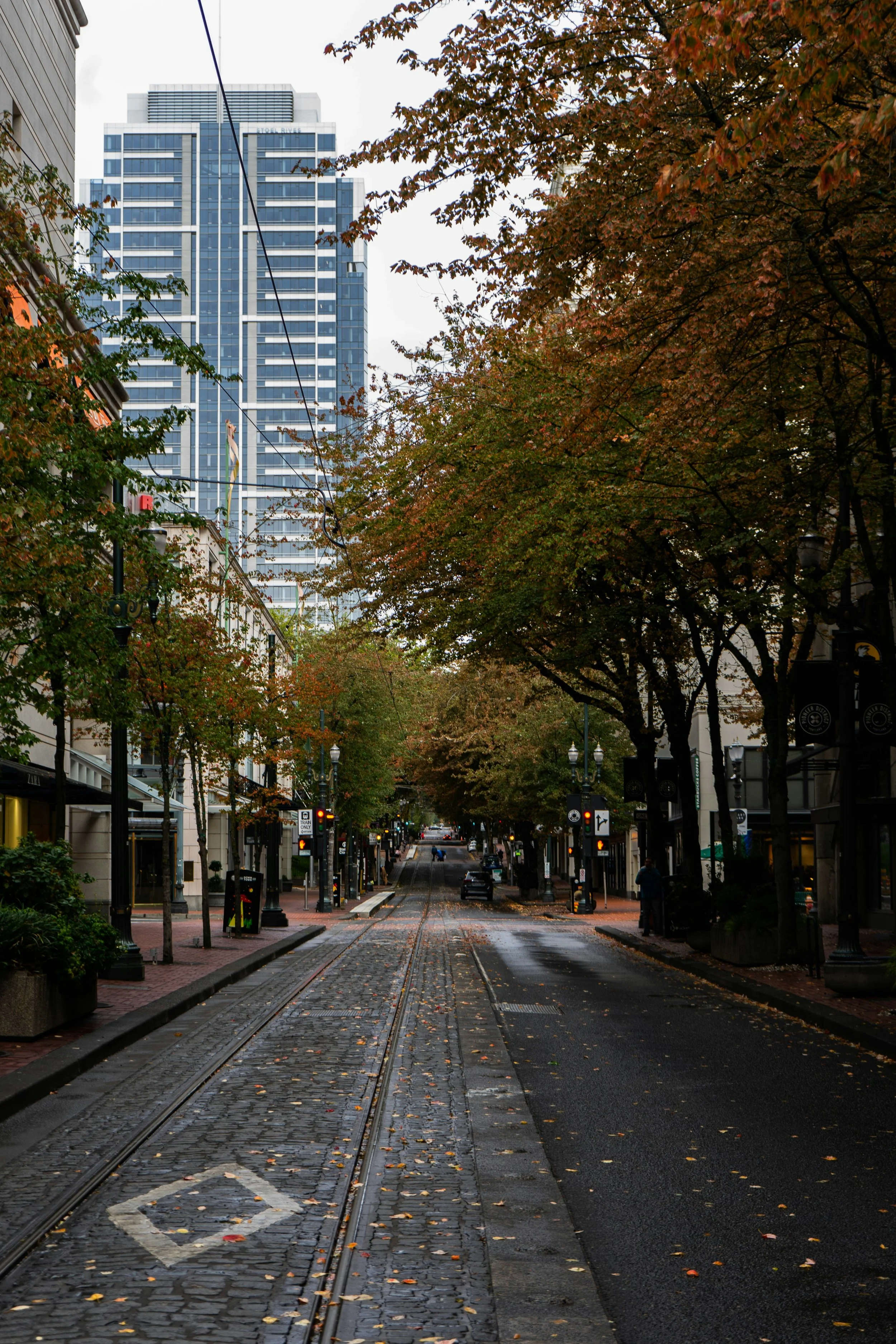
What Sets It Apart: NW Portland offers a very walkable urban experience in the city. The charming mix of historic apartment buildings, stately homes, and converted industrial spaces creates a European feel that's unique in Portland. Forest Park – one of the nation's largest urban forests – borders this quadrant, providing immediate access to over 5,000 acres of woodland and 80+ miles of trails.
Who It Attracts: NW Portland draws people who value walkability, culture, and urban amenities. It appeals to those who want to be close to downtown while enjoying tree-lined streets, boutique shopping on NW 23rd Avenue, and a robust restaurant scene. The Pearl District attracts urban dwellers who appreciate converted lofts, gallery spaces, and car-optional living.
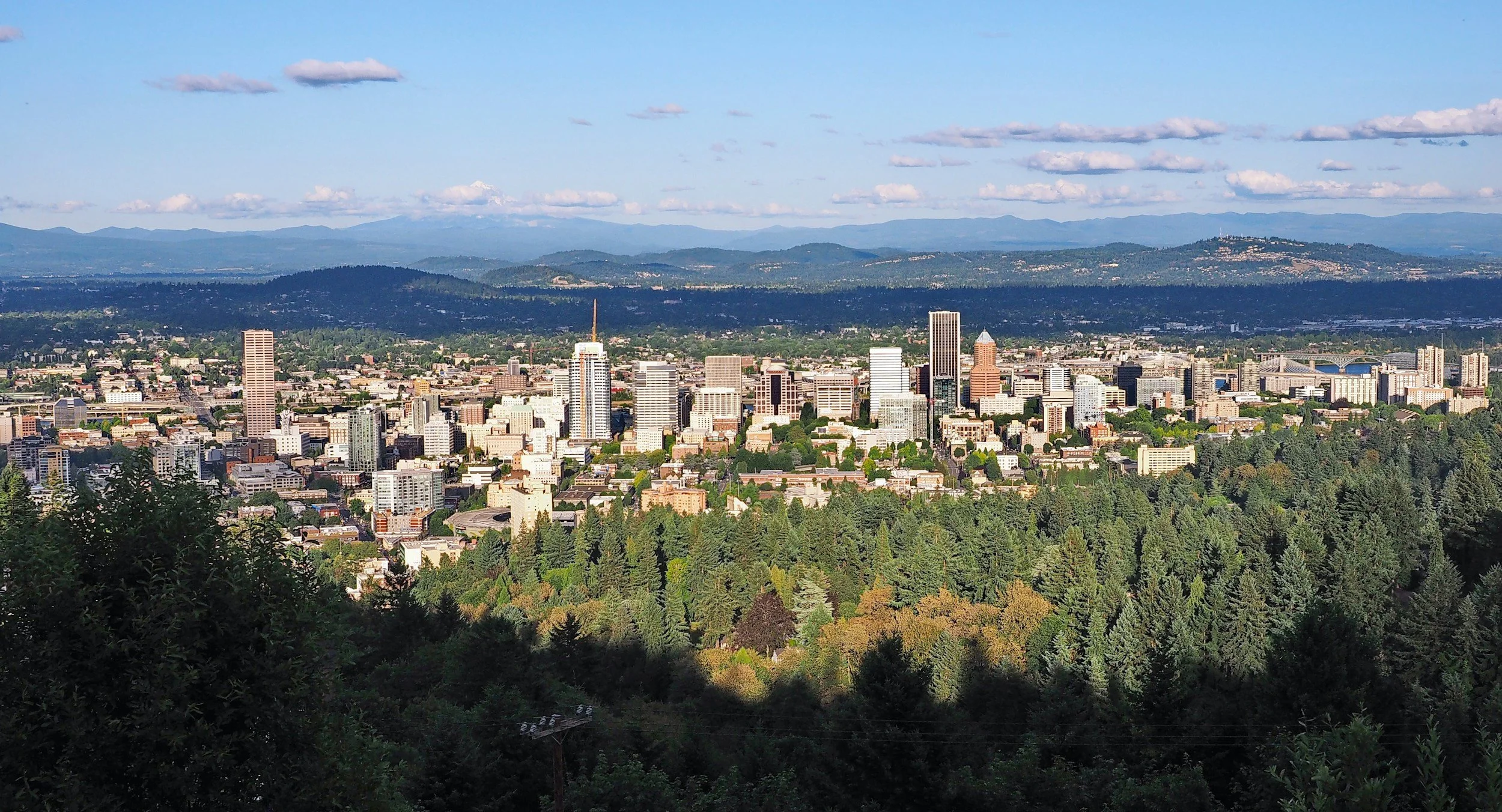
Northeast Portland (NE): Community-Focused with Rich Diversity
Northeast Portland blends historic neighborhoods, culturally diverse communities, and areas experiencing significant revitalization (or one might say, gentrification).
History: NE Portland has a complex history shaped by redlining and segregation policies of the early-mid 20th century. The Alberta and Williams corridors, once centers of Portland's Black community, have undergone significant changes in recent decades. The Irvington neighborhood showcases grand historic homes, while areas like Cully maintain more diverse populations and housing types with larger lots perfect for urban farming.
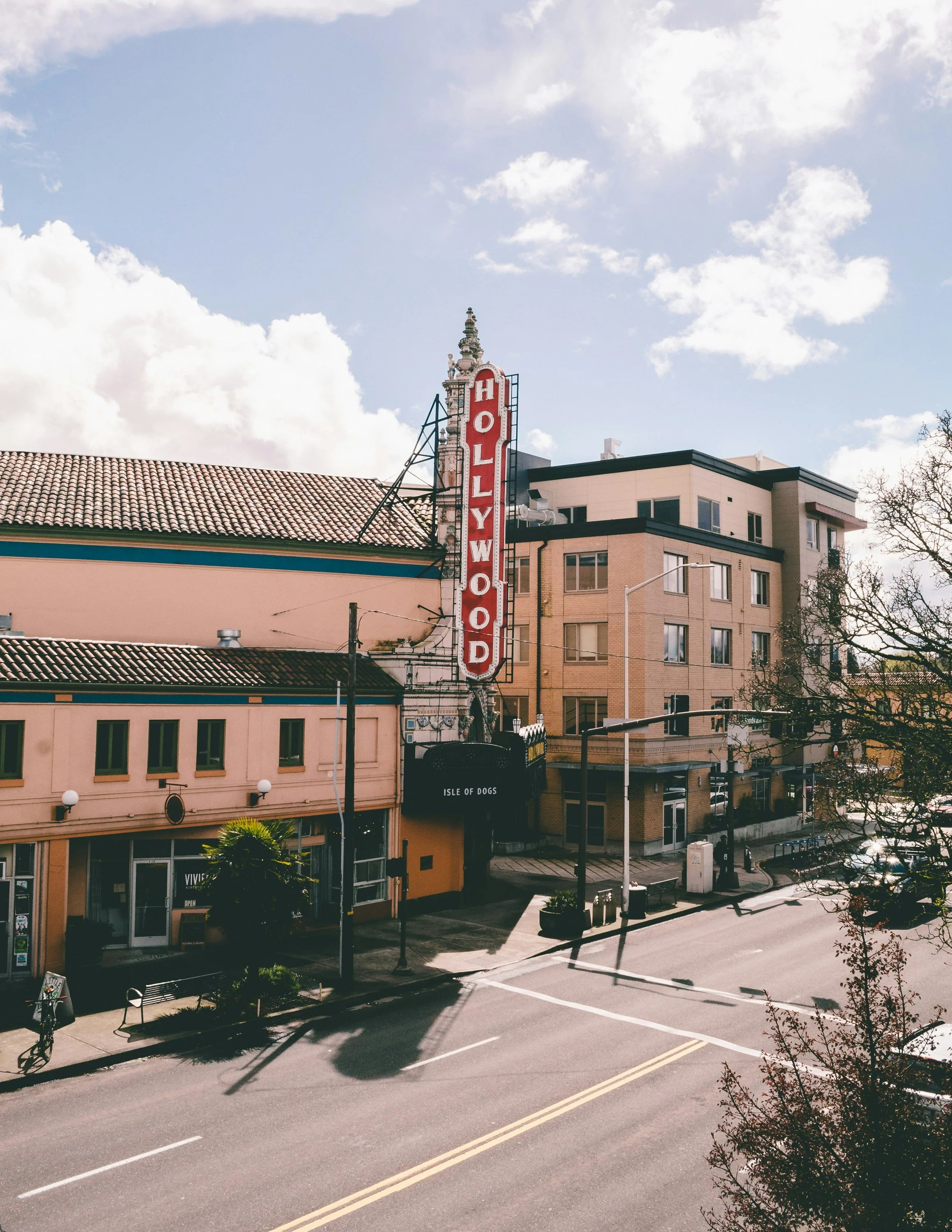
What Sets It Apart: NE Portland features beautiful residential areas with craftsman homes, bungalows, and mature tree canopies. The Alberta Arts District hosts the famous Last Thursday art walk, and the Mississippi/Williams corridor has emerged as a hotspot for dining and shopping. The Hollywood District maintains its historic theater and mid-century charm.
Who It Attracts: NE Portland appeals to people looking for character homes with yards, those drawn to vibrant commercial districts, and those who value diversity and community engagement. It's popular with people who want established neighborhoods with easier parking than inner NW/SE while maintaining good access to downtown.
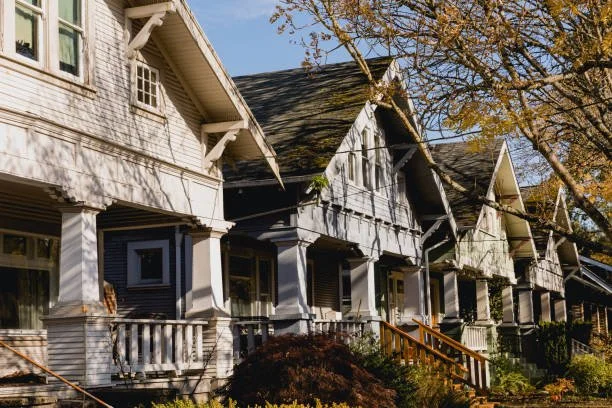
Southeast Portland (SE): Eclectic, Creative, and Quintessentially Portland
Southeast Portland embodies much of what people associate with Portland's quirky, creative reputation.
History: Originally separate municipalities like Sellwood and Ladd's Addition, SE Portland was gradually annexed into the city. Its development patterns vary widely, from the meticulously planned Ladd's Addition (Portland's oldest planned residential community with its distinctive diagonal street pattern and rose gardens) to the more organically developed neighborhoods along Hawthorne and Division.
What Sets It Apart: SE Portland is home to some of the city's most beloved business districts – Hawthorne, Division, Belmont, and Sellwood each offer distinct personalities and amenities. The quadrant embraces Portland's DIY ethos, with abundant community gardens, food cart pods, and locally-owned businesses. It also features Mount Tabor Park – a city park built on an extinct volcano with spectacular views.
Who It Attracts: SE Portland attracts anyone who values the "Keep Portland Weird" lifestyle. It's ideal for those who appreciate walkable neighborhoods, bicycle infrastructure, and vibrant street life. The diverse housing stock – from apartments to grand Craftsman homes – accommodates various budgets and lifestyles.
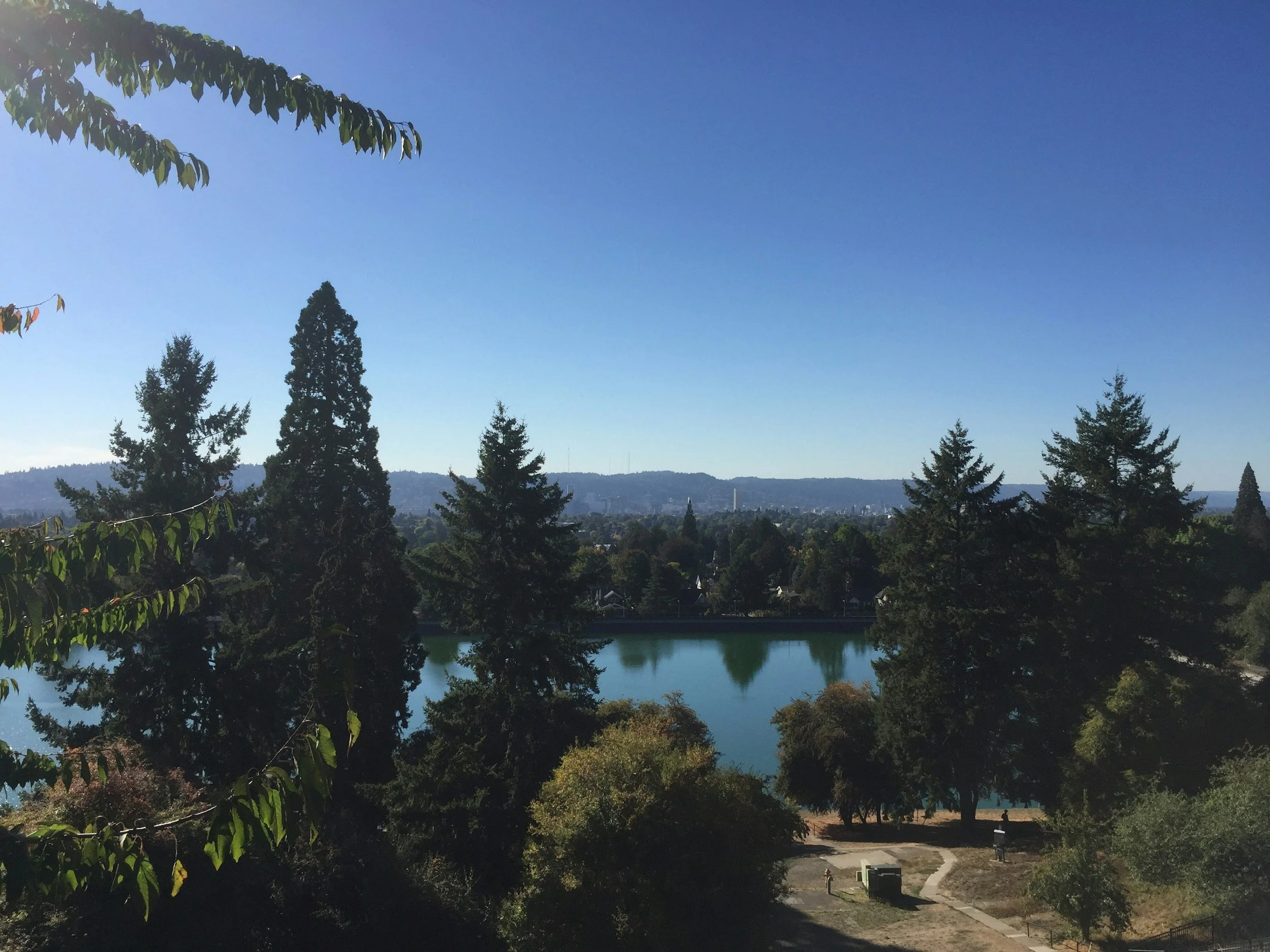
Southwest/South Portland (SW): From Urban Core to Wooded Retreats
Southwest & South Portland encompasses downtown, Portland State University, and extends into the West Hills with their winding roads and forested settings.
History: This area includes the original core of the city along the Willamette. The South Park Blocks were platted in 1852 as Portland's first public green space. As the city grew, development pushed into the hills, creating neighborhoods like Council Crest (Portland's highest point) and Hillsdale. The area has historically been home to some of Portland's wealthiest residents, though it also includes more diverse communities like South Waterfront and Multnomah Village.
What Sets It Apart: SW Portland offers dramatic topography with sweeping views of the city, river, and mountains. It includes cultural institutions like the Portland Art Museum and Oregon Historical Society. The quadrant feels notably different from the city's grid-based eastside, with roads that follow the contours of the hills and larger lot sizes in many areas. Washington Park houses the Japanese Garden, Rose Test Garden, and Oregon Zoo.
The South waterfront has seen tremendous growth with recent development, creating a modern urban neighborhood along the Willamette. The sleek glass high-rises offer stunning river views and luxury amenities that appeal to professionals and empty nesters alike.
The proximity to Oregon Health & Science University (OHSU) makes this area particularly attractive to healthcare professionals. The iconic aerial tram connects South Waterfront directly to OHSU's main campus on Marquam Hill, offering both convenient commuting and spectacular views of the city and surrounding mountains.
Waterfront living here combines urban convenience with natural beauty – residents enjoy the Willamette Greenway Trail for walking and biking, while still being minutes from downtown amenities and cultural attractions.
Who It Attracts: These areas attract those seeking proximity to major employers (OHSU, PSU, downtown businesses) and people who value privacy and natural settings while remaining in the city limits. Downtown condos and apartments appeal to urban professionals and empty nesters alike.
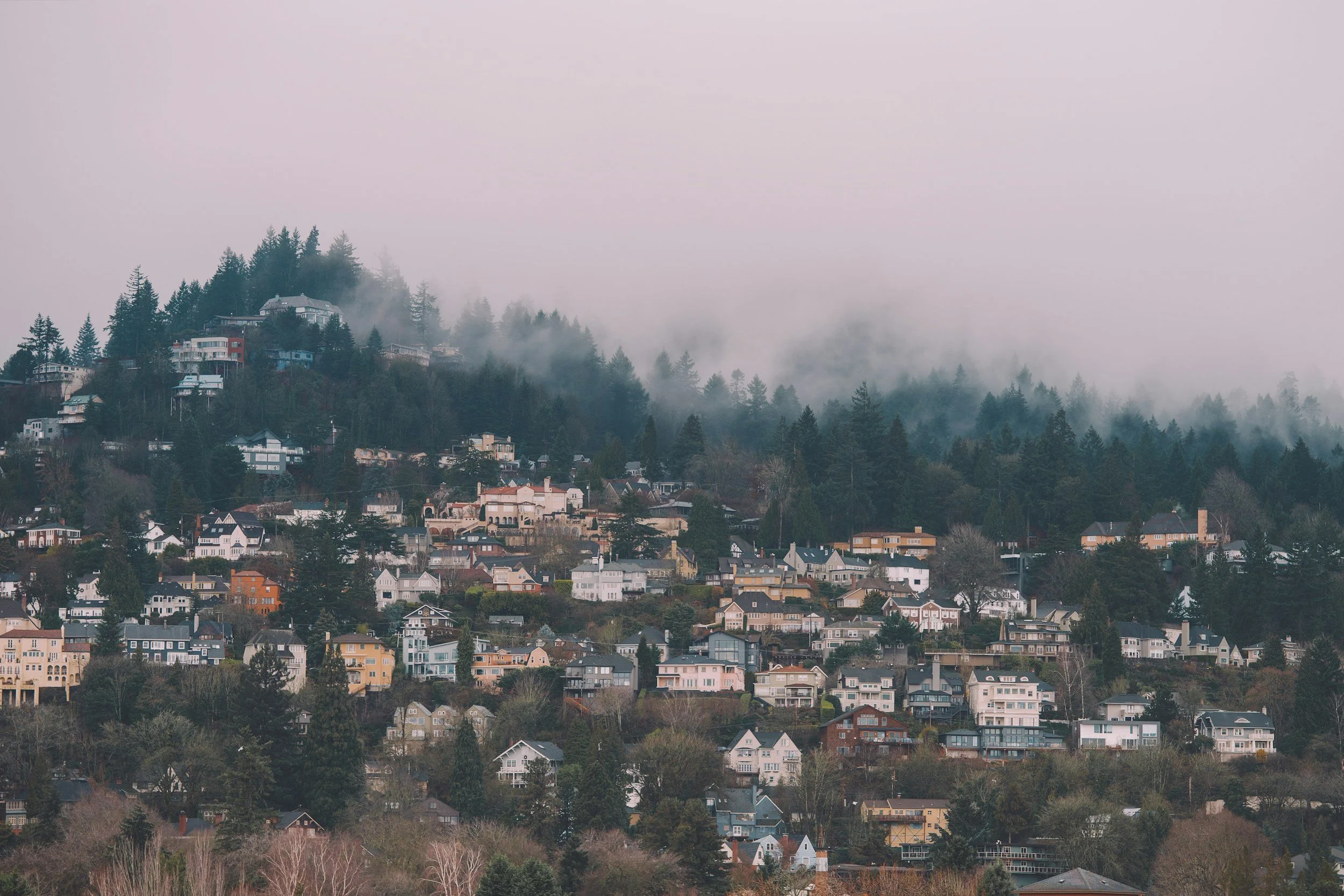
North Portland (N): The Peninsula with Personality
Portland's "fifth quadrant" sits on a peninsula formed by the Willamette and Columbia rivers, creating a distinct community with strong neighborhood identities.
History: North Portland was historically shaped by the shipping and manufacturing industries along the rivers. The construction of the St. Johns Bridge (1931) and wartime shipyards created boom periods for the area. Vanport, once Oregon's second-largest city and home to many Black shipyard workers, was destroyed in a 1948 flood, forcing residents to relocate primarily to North and Northeast Portland.
What Sets It Apart: N Portland has a distinctive geographic identity, with the rivers creating natural boundaries on three sides. St. Johns feels like its own small town with a charming main street and the iconic St. Johns Bridge. The University of Portland campus, Peninsula Park (Portland's first public rose garden), and Kenton's Paul Bunyan statue are unique landmarks. The area offers excellent access to both the Columbia River and Forest Park.
Who It Attracts: N Portland appeals to those seeking relatively affordable homes with character, folks attracted to diverse neighborhoods with strong identities, and people who appreciate the slightly removed feel while maintaining easy access to downtown. The mix of industrial heritage, river access, and emerging commercial districts attracts those who value authenticity and community.
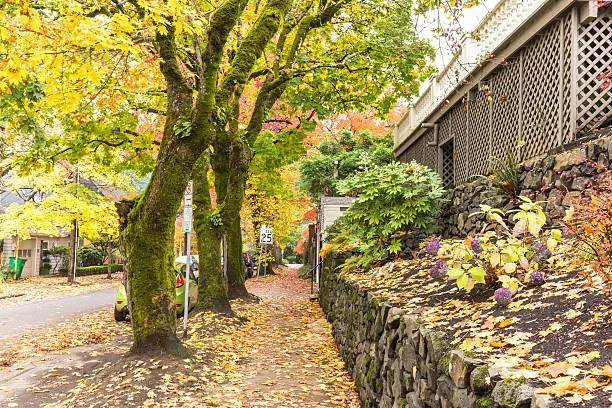
Finding Your Perfect Portland Quadrant
What makes Portland special is how each quadrant maintains its distinctive character while contributing to our city's overall charm. As someone who helps people find their perfect Portland home every day, I've learned that where you'll be happiest often depends on your lifestyle priorities.
Whichever quadrant speaks to you, Portland's excellent public transportation, bike-friendly streets, and compact size make it easy to enjoy all that our beautiful city has to offer – regardless of which "quadrant" you call home!